
Using a coffee machine can elevate your mornings and transform your coffee experience! To start brewing, simply fill the machine with fresh water, add your favorite ground coffee, and press the brew button. It’s that easy!
The aroma of freshly brewed coffee will fill your space, awakening your senses and setting the tone for a great day. Whether you’re a beginner or looking to refine your technique, understanding the basic steps can make all the difference in achieving that perfect cup.
Get ready to impress yourself and your friends with your newfound coffee-making skills! With the right approach, you’ll savor each sip and feel like a barista in your kitchen.
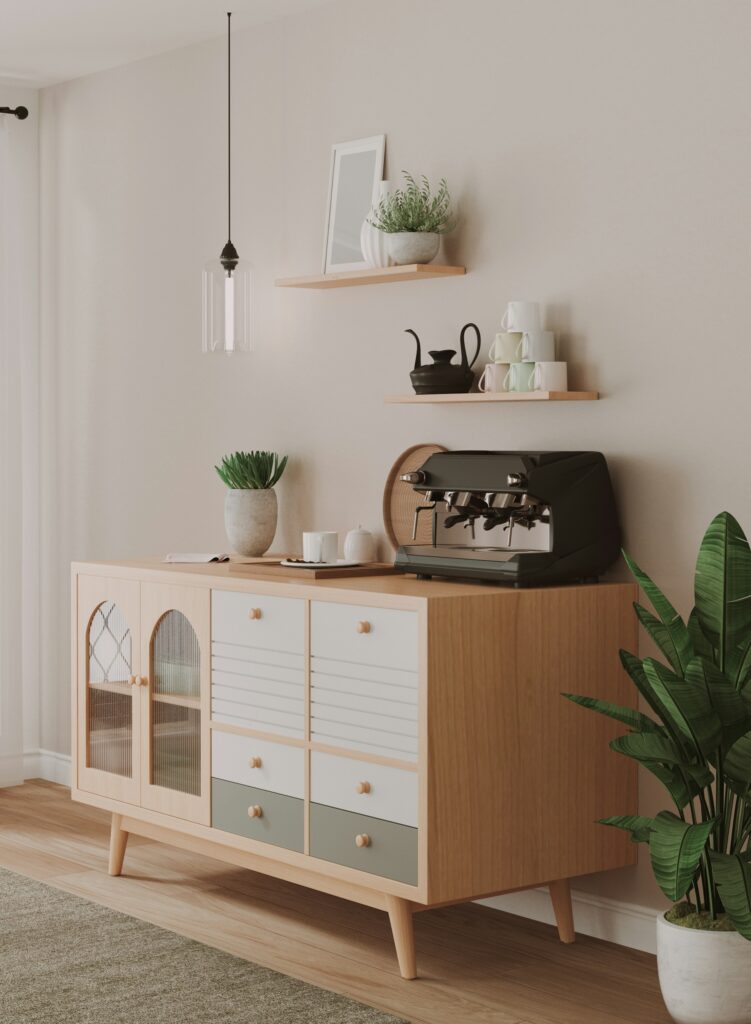
Getting Started With Your Coffee Machine
Setting up your coffee machine is the first step toward brewing your perfect cup of coffee! Let’s explore the essential tasks that will get you brewing in no time.
Unboxing and Initial Setup
Start by carefully unboxing your coffee machine. Make sure to remove all packaging materials, including any tape, stickers, or protective films. This ensures everything is clean and ready for use.
Next, place the coffee machine on a flat, stable surface near an electrical outlet. Make sure it leaves enough space around for airflow.
After positioning it, plug in the machine. Most coffee makers will have an initial setup prompt or indicator lights. Follow any specific instructions in the user manual to prepare your machine for brewing.
Finally, it’s recommended to run a water-only cycle before your first brew. This cleans out any dust or residue inside the machine.
Understanding Your Coffee Machine’s Components
Familiarizing yourself with your coffee machine’s components is crucial for effective operation. Typically, you will find:
- Water Reservoir: This holds the water for brewing. Make sure to fill it to the indicated level.
- Filter Basket: Use this to hold coffee grounds. Depending on your model, you might need paper filters or have a reusable filter.
- Control Panel: Contains buttons for power, brew strength, and settings. Understand each function to customize your brew.
If your coffee maker uses pods, be aware of the specific type required. Using the wrong pod can lead to brewing issues. Always check compatibility to avoid any mishaps!
The Art of Coffee Making
Creating the perfect cup of coffee is both an art and a science. By selecting the right beans and mastering the grind, you can unlock a world of flavors that elevate your coffee experience.
Selecting the Perfect Coffee Beans
Choosing the right coffee beans is crucial for a delicious brew. Start by considering the origin of the beans, as different regions produce unique flavor profiles.
- Arabica beans offer a sweeter, more nuanced taste.
- Robusta beans have a stronger, earthier flavor with higher caffeine content.
Look for freshly roasted beans, ideally from a local roaster. Check the roast date; beans are best used within two to four weeks of roasting for optimal freshness.
Experiment with various blends and single-origin beans to discover your personal favorite. This exploration is not just exciting—it’s essential in finding a coffee that perfectly suits your palate!
Grinding Coffee for Optimal Flavor
Grinding your coffee beans correctly is vital for extracting the best flavors. The grind size affects extraction time during brewing, significantly influencing taste.
- Coarse grind is great for methods like French press.
- Medium grind works well with drip coffee makers.
- Fine grind is ideal for espresso machines.
Use a burr grinder for consistency, avoiding the uneven results of blade grinders. Grind just before brewing to maximize freshness and flavor.
Aim for a grind that matches your brewing method, ensuring that you achieve the perfect balance of taste and aroma. Your coffee’s flavor will greatly benefit from this attention to detail!
Operating Your Coffee Machine
Getting started with your coffee machine is both exciting and straightforward! Mastering the essential steps can significantly improve your brewing experience. Let’s dive into the key aspects of operating your machine effectively.
Filling the Water Reservoir
To begin, ensure your coffee machine is turned off. Locate the water reservoir, usually positioned on the side or back of the machine. Remove it gently and rinse it with clean water for optimal freshness.
Next, fill the reservoir with fresh, cold water. Refer to your machine’s guide for the appropriate water level, typically marked inside. It’s crucial not to overfill. Once filled, securely reattach the reservoir to the machine. This process ensures you have enough water for the brewing cycle, providing a flavorful cup of coffee.
Loading the Coffee and Tamping
Now it’s time to load the coffee grounds! For machines using ground coffee, select a high-quality blend for the best flavor. Measure approximately 1 to 2 tablespoons of coffee for each 6 ounces of water—this will create a balanced brew.
If you’re using an espresso machine, tamper the coffee grounds evenly. Press down firmly to create a uniform surface, which promotes even extraction. This step can make a big difference in taste! After tamping, attach the portafilter securely to your machine, ensuring a tight seal to prevent any leaks while brewing.
Selecting the Desired Brew Settings
With everything in place, it’s time to select your brew settings. Most coffee machines offer various options, including strength, temperature, and brewing time. If you’re unsure, start with the default settings and adjust based on your taste preferences.
For espresso machines, choose the grind size and shot duration based on your desired flavor intensity. Always consult your user manual for specific instructions tailored to your model. Finally, press the start button and watch as the magic happens! Enjoy the aroma as your coffee brews, and anticipate that perfect cup ahead.
Maintenance and Cleaning
Keeping your coffee machine clean and well-maintained enhances its performance and ensures the best flavor in every cup. Regular attention to both daily cleaning and descaling will help your machine last longer, making each brew a delightful experience.
Daily Cleaning Routines
To maintain optimal coffee quality, perform simple cleaning tasks every day. Start by removing the brew basket and emptying any used coffee grounds. If you use a paper filter, dispose of it, and for reusable filters, rinse them thoroughly to prevent residue buildup.
Then, clean the carafe with warm soapy water. This prevents oils from coffee beans from affecting future brews. Wipe the exterior of the machine with a damp cloth to remove spills and stains, keeping your machine looking its best.
Don’t forget to flush the water reservoir by running fresh water through the system before brewing. This step helps keep the taste consistent and your machine fresh. Taking these small steps daily will lead to richer coffee and a longer-lasting machine!
Descaling for Longevity
Descaling is essential for maintaining your coffee machine, as mineral deposits from hard water can accumulate over time. Aim to descale every 1-3 months, depending on your water quality. A simple solution of equal parts water and vinegar works wonders!
To descale, fill the water reservoir with the vinegar mixture and run a full brew cycle without coffee grounds. Allow the mixture to sit for about 15 minutes before running a clear water cycle to rinse away any residue. This helps maintain the internal components of your machine.
If you prefer, commercial descaling solutions are available and specifically designed for coffee machines. Following the manufacturer’s instructions, pour the solution into the reservoir and brew as directed. Regular descaling ensures your coffee machine remains efficient and produces great-tasting coffee every time!
Troubleshooting Common Issues
Sometimes your coffee machine might not perform as expected. Don’t worry! Here are some common issues and how to fix them.
Incorrect Brewing Temperature
If your coffee isn’t tasting right, check the brewing temperature. The water should be between 195°F and 205°F. Adjust your machine settings if needed for the best flavor!
Low Pressure
Check the pressure gauge. If it’s low, inspect the pump and connections. A malfunctioning pump can cause pressure problems. Make sure everything is tight and functioning smoothly!
Unresponsive Machine
If your coffee maker isn’t responding, try resetting it. Turn off the machine, unplug it, and wait a few minutes before powering it back on. This simple step often solves the issue!
Clogged Water Valve
If your coffee machine is brewing slowly or not at all, you may have a clogged water valve. Use vinegar to run a cleaning cycle, clearing away any limescale buildup.
Power Supply Issues
Make sure your machine is plugged in properly. A damaged cord or outlet can prevent your coffee maker from working.
Inspect everything thoroughly!
These tips can help you get back to brewing delicious coffee in no time! Happy brewing!