
As a cat owner, you might have wondered if sharing a sip of your morning coffee with your furry friend is harmless or even cute. The reality is that coffee is toxic to cats and can lead to serious health issues.
All caffeinated products pose a risk to your pet’s well-being, and it’s crucial to understand why.
Imagine seeing your curious cat eyeing your coffee cup, but before you let them take a lick, it’s important to know the potential dangers involved.
Cats are not equipped to handle caffeine, which can cause symptoms ranging from restlessness to more severe complications.
If you want to safeguard your pet’s health, staying informed is key.
In this article, you will discover the reasons behind coffee’s toxicity for cats, how to recognize signs of distress, and what to do if your cat accidentally consumes caffeine. By the end, you’ll be equipped with vital information to keep your beloved pet safe and sound!
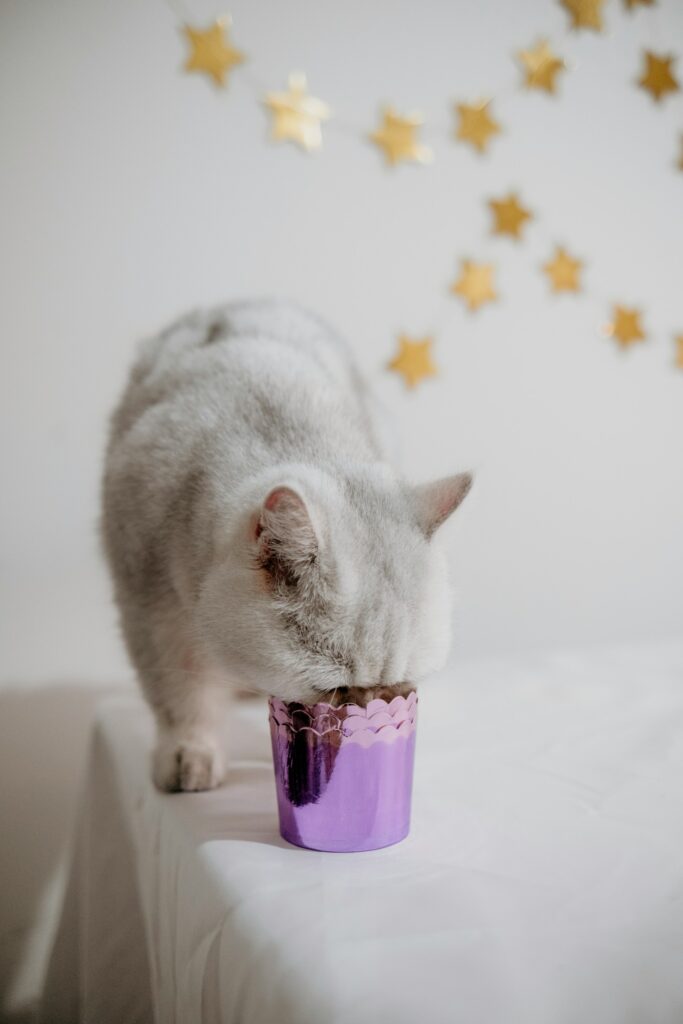
The Big No: Can Cats Drink Coffee?
If you’re curious about sharing your morning coffee with your feline friend, think again! The truth is that coffee poses serious risks to cats, and understanding these dangers is crucial for their health and safety.
Hidden Dangers of Caffeine
Caffeine can be extremely toxic to cats. Unlike humans, cats metabolize caffeine differently, making even small amounts potentially harmful.
Symptoms of caffeine poisoning can include restlessness, rapid breathing, increased heart rate, and even tremors.
In severe cases, caffeine toxicity can be fatal. Just a few sips of coffee can lead to serious health issues for your cat.
It’s essential to keep coffee and other caffeinated products out of their reach to ensure their safety.
To help visualize the risks, consider these common caffeinated items:
- Coffee
- Tea
- Energy drinks
- Chocolate (contains theobromine, which is also harmful)
Always pay attention to your cat’s behavior and consult a veterinarian if you suspect they have ingested caffeine.
The Science Behind Cats and Caffeine
Cats are particularly sensitive to caffeine due to their unique physiology. They lack certain liver enzymes required to effectively break down caffeine, which leads to its accumulation in their systems.
This can cause serious medical issues, as the body can’t eliminate it efficiently.
In addition to physical symptoms, exposure to caffeine affects your cat’s nervous system. The stimulant properties of caffeine can lead to anxiety, agitation, and more.
Did you know? Cats don’t naturally consume caffeinated products. They are obligate carnivores, primarily needing protein to thrive. Thus, there’s no nutritional benefit to offering them coffee or similar drinks.
Always ensure your home is caffeine-free for your furry companion’s well-being!
Understanding Cat Physiology and Diet
Cats have unique physiological traits and specific dietary needs. Understanding these aspects is crucial for ensuring their health and preventing potential hazards from human foods like coffee.
Nutritional Needs of Felines
Your cat requires a balanced diet that meets their unique nutritional needs. Cats are obligate carnivores, meaning they thrive on a diet high in protein and low in carbohydrates.
Essential nutrients include:
- Taurine: Vital for heart and eye health.
- Arachidonic Acid: Important for skin and coat condition.
- Vitamin A: Necessary for vision and immune function.
Commercial cat foods are usually formulated to provide these nutrients in adequate amounts.
It’s crucial to avoid feeding your cat human foods that lack these essential elements, as this can lead to serious health issues.
Always choose high-quality cat food and consult your veterinarian for tailored dietary advice.
How Cats’ Bodies Process Toxins
Your cat’s body processes toxins differently than yours. Cats have a limited ability to detoxify certain substances due to their unique liver enzymes.
This makes them particularly sensitive to certain compounds, including caffeine found in coffee.
When a cat ingests caffeine, it can lead to symptoms such as:
- Hyperactivity
- Increased heart rate
- Restlessness
Due to their smaller size and different metabolic pathways, even small amounts of caffeine can be dangerous.
It’s essential to keep coffee and other toxic substances well out of your cat’s reach to prevent accidental ingestion. Awareness of these risks helps ensure your feline stays safe and healthy!
Alternatives to Coffee for Cats
If you’re concerned about your cat’s health, it’s essential to explore safe alternatives to coffee. Cats can be curious about human food and drinks, but providing them with healthy options can keep them hydrated and happy.
Safe Hydration for Furry Friends
Water is the most critical beverage for your cat. It helps maintain their overall health and supports vital bodily functions. Ensure your cat has access to fresh, clean water at all times.
Consider providing a cat water fountain. Many cats prefer running water, which may encourage them to drink more.
Additionally, you can offer low-sodium chicken or beef broth as a treat. Make sure it’s free of harmful ingredients like onion or garlic. Just remember, treats should only complement their diet.
Healthy Beverage Choices for Cats
When it comes to healthy beverages, catnip tea is a fantastic option. This herbal drink can help soothe your feline after a long day and provide a calming effect.
You could also look into cat-friendly milk alternatives. Regular cow’s milk may upset your cat’s stomach, but specially formulated cat milk is available and safe for your kitty.
Lastly, always ensure any beverages offered are low in sugar and free from caffeine and toxic ingredients. Keeping your cat hydrated with safe and tasty options can make a world of difference in their well-being!
What If Your Cat Drinks Coffee?
If your cat has consumed coffee, it’s important to act quickly and thoughtfully. Because caffeine can be toxic to cats, knowing the immediate steps to take can help safeguard your pet’s well-being.
Immediate Steps to Take
First, assess how much coffee your cat has ingested. If it’s just a few drops, your healthy adult cat may be fine.
Remove any leftover coffee and clean up spills promptly. Keeping your cat in a separate room can help minimize any potential anxiety.
Monitor your cat for any symptoms of caffeine toxicity, which may include:
- Restlessness
- Rapid heart rate
- Tremors
- Vomiting
Make sure to keep track of your cat’s behavior for signs of distress. If symptoms appear, you will need to take further action.
When to Contact a Vet
If your cat exhibits severe symptoms such as seizures, or if you suspect they consumed a significant amount of coffee, contacting a veterinarian is crucial.
An emergency visit may be necessary, especially if ingestion is confirmed. Be prepared to provide details about the amount and type of coffee consumed.
If your cat is showing mild symptoms, it’s still a good idea to consult a vet for advice. They may recommend monitoring your cat at home or bringing them in for observation. Early intervention can be key to preventing serious complications.
Preventing Accidental Caffeine Consumption
Keeping your cat safe from caffeine is essential for their health. Implementing strategies to cat-proof your environment and increasing your awareness can significantly reduce the risk of accidental consumption.
Cat-proofing Your Coffee Habits
Start by securing all caffeinated beverages in places that are out of reach. Consider using cabinets or high shelves. Here are some effective tips:
- Close Containers: Always store coffee grounds, beans, and brews in tightly sealed containers.
- Designate Coffee Zones: Limit drinking coffee to specific areas where your cat doesn’t have access.
- Use Cat Deterrents: Utilize citrus scents or safe repellents near your coffee area to keep your cat away.
Be vigilant if your cat is known to jump on counters. Quick action can prevent them from tasting something harmful.
Education and Awareness
Educating yourself and others in your household about the dangers of caffeine for cats is crucial.
Take the time to share this information with family or visitors.
- Spread the Word: Make a list of common foods and drinks that are toxic, and post it near your coffee station.
- Seek Immediate Help: Know the signs of caffeine poisoning, such as restlessness or increased heart rate, and have your veterinarian’s number handy.
Arm yourself with knowledge to keep your cat safe.
A proactive approach can help ensure a healthier and happier environment for you and your feline friend.