
If you’ve ever wondered about munching on coffee beans instead of just sipping coffee, you’re in for a treat!
Eating coffee beans can be a delicious and energizing way to enjoy the benefits of caffeine and antioxidants. These little powerhouses are not only convenient but also offer a unique flavor profile that you might find surprisingly enjoyable.
Imagine grabbing a handful of roasted coffee beans for an instant energy boost during your day!
Not only do they pack a caffeine punch, but they are rich in nutrients that can support your well-being.
As you explore the world of eating coffee beans, you’ll discover various ways to enjoy them, from raw beans to chocolate-covered treats.
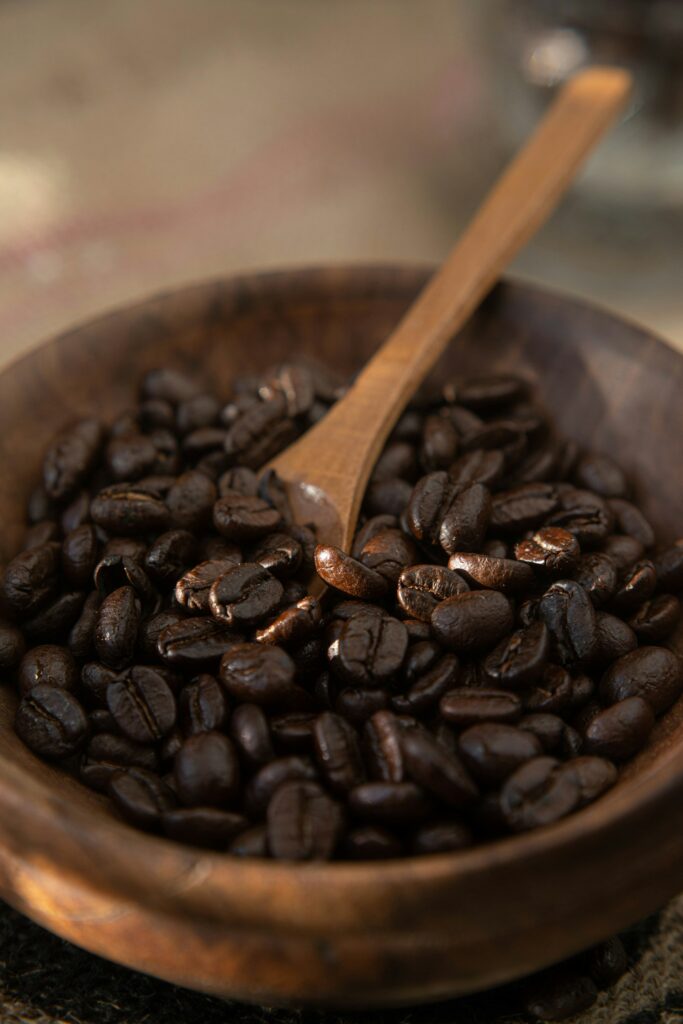
Thrilling Nutritional Profile
Eating coffee beans offers an exciting array of nutritional benefits that enhance your health. Packed with powerful antioxidants, essential vitamins, and minerals, these little powerhouses fuel both your body and mind. Let’s explore the details that make coffee beans a compelling snack option!
Bursting with Antioxidants
Coffee beans are a treasure trove of antioxidants. These compounds help combat oxidative stress in your body, protecting your cells from damage. Key antioxidants found in coffee beans include chlorogenic acid and caffeine.
- Chlorogenic Acid: This antioxidant is linked to various health benefits, including improved metabolic health.
- Caffeine: In addition to boosting your energy levels, it also provides antioxidant effects.
By munching on coffee beans, you’re giving your body a delicious dose of these protective compounds.
Caloric Content Unveiled
When it comes to calories, coffee beans are surprisingly manageable. One ounce (about 28 grams) contains approximately 130–150 calories.
Here’s a quick breakdown:
- Fat: 7 grams
- Protein: 11 grams
- Carbohydrates: 24 grams
Choosing to eat a small handful can fit easily into your daily caloric intake without overwhelming your diet. Plus, the energy boost from the caffeine can help you feel more alert throughout the day!
Vital Vitamins and Minerals
Coffee beans are not just about antioxidants and calories; they also pack a punch in terms of vitamins and minerals. These nutrients support various bodily functions and overall well-being.
For example:
- Magnesium: Important for muscle and nerve function, as well as maintaining a healthy immune system.
- Potassium: Crucial for heart health and regulating blood pressure.
- Vitamin B2 (Riboflavin): Essential for energy production and cellular function.
Regularly enjoying coffee beans can help you boost your vitamin and mineral intake, making them an exciting addition to your snacking choices!
Caffeine Kick: Benefits and Watch-Outs
Eating coffee beans can give you an exciting boost thanks to their high caffeine content. While they provide significant energizing effects, it’s important to be aware of the potential risks and considerations that come with consuming them.
Energizing Effects
When you munch on coffee beans, you enjoy a robust dose of caffeine. This stimulant can enhance your energy levels and increase alertness.
- Quick Energy Boost: You might feel a caffeine kick faster than when drinking coffee because the beans directly release caffeine into your system. This can be particularly beneficial during a mid-afternoon slump.
- Mental Clarity: Many people report improved focus and cognitive performance after consuming coffee beans. This makes them a great companion for study sessions or tackling important tasks.
- Antioxidant Properties: Coffee beans are rich in antioxidants, which can support overall health and combat oxidative stress.
Indulging in coffee beans might transform your productivity levels and mood!
Potential Risks and Considerations
While eating coffee beans can be invigorating, moderation is key to avoiding side effects.
- Caffeine Overload: Consuming too many beans can lead to excessive caffeine intake. This may cause jitteriness, rapid heartbeat, or anxiety.
- Gastrointestinal Discomfort: Eating large quantities can upset your stomach. It’s best to start with a few beans to see how your body reacts.
- Sleep Disruption: Since coffee beans can energize you, consuming them late in the day might interfere with your sleep.
Being mindful of your consumption will help you enjoy the benefits while minimizing unwanted effects!
Coffee Beans vs. Brewed Coffee
When considering coffee beans and brewed coffee, you’ll discover distinct flavors and caffeine profiles that make each unique. Understanding these differences can enhance your overall coffee experience.
Comparative Flavors Extravaganza
Eating coffee beans delivers a more intense flavor punch compared to brewed coffee. When you munch on those beans, you experience the full spectrum of their complex, rich flavors. You might taste fruity notes, earthy undertones, or even hints of chocolate, depending on the bean variety.
Brewed coffee, on the other hand, offers a smoother taste. The brewing process extracts the oils and flavors, but it also dilutes them. This results in a milder beverage, allowing you to savor a balanced cup without overwhelming bitterness.
Your brewing method—be it drip, French press, or espresso—also influences flavor, creating infinite possibilities.
Caffeine Content Face-Off
In terms of caffeine, coffee beans pack a significant punch. A single roasted coffee bean generally contains between 5 to 10 milligrams of caffeine. If you’re snacking on 30 beans, you could be consuming around 300 milligrams or more, depending on the type.
Conversely, an 8-ounce cup of brewed coffee typically has around 95 milligrams of caffeine.
This means that while you can manage your caffeine intake more easily with brewed coffee, eating whole beans can provide a quick, concentrated burst of energy.
It’s crucial to monitor your intake to avoid caffeine overload and its associated side effects!
The Art of Eating Coffee Beans
Eating coffee beans can elevate your coffee experience. With the right selection and mindful dosing, you can enjoy the robust flavors and benefits of these little powerhouses.
Selecting the Perfect Beans
When choosing coffee beans, opt for high-quality, freshly roasted varieties to enhance your experience. Look for beans that are labeled as organic, as they often have richer flavors and fewer chemical residues.
You might want to try different types, like Arabica for a smooth taste or Robusta for a bolder flavor. Explore local coffee roasters or specialty shops to find unique selections.
Consider the roast date; beans are best consumed within a few weeks after roasting for maximum flavor.
If you’re adventurous, experiment with flavored beans like chocolate or vanilla, as they can add an exciting twist.
Dosage: A Balancing Act
Finding the right amount of coffee beans is key. Start with about 5 to 10 beans at a time. This amount provides a mild caffeine boost without overwhelming your system.
Remember, eating too many can lead to side effects like heartburn or jitteriness. Pay attention to how your body reacts.
Moderation is essential. If you experience discomfort, reduce the quantity or frequency.
If you’re using coffee beans as a snack, consider pairing them with nuts or dark chocolate for a delicious energy boost that balances flavor and health benefits. This will also help to mitigate the intense flavors of the beans themselves.
Recipes and Pairings
Exploring the world of coffee beans opens up delightful culinary possibilities. You can enjoy coffee beans not just as a beverage but also as a flavorful ingredient in various snacks and dishes.
Delicious Coffee Bean Snacks
Indulge your taste buds with these exciting snacks featuring coffee beans:
- Chocolate-Covered Coffee Beans: These are a classic treat. The combination of rich chocolate and crunchy coffee beans creates a perfect balance of sweetness and bitterness. Easy to make, just dip roasted beans in melted chocolate and let them cool.
- Coffee Bean Trail Mix: Mix roasted coffee beans with nuts, dried fruits, and dark chocolate chunks for a tasty energy boost. This is perfect for snacking on the go!
- Espresso Granola: Incorporate finely ground espresso into your favorite granola recipe. The coffee adds depth and energy to your breakfast or snack.
Culinary Creations Featuring Coffee Beans
Get creative with coffee beans in your cooking:
- Coffee-Infused Marinades: Use brewed coffee or ground beans in marinades for meats. The unique flavor enhances dishes like grilled steak or roasted chicken. Pair with spices like paprika for added zest.
- Coffee Risotto: Infuse the Italian classic with brewed coffee for an unexpected twist. The coffee’s earthy notes complement the creamy texture beautifully.
- Desserts: Incorporate coffee beans into mousse, cakes, or ice creams. Try adding finely ground coffee for a mocha flavor or using whole beans as a crunchy topping on desserts.
Experimenting with these recipes will elevate your coffee experience. Enjoy the burst of flavors that coffee beans bring to your culinary adventures!